
















WATCH THE MESSAGE HERE or Read on.
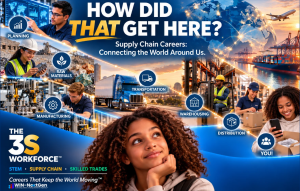
Last week, we introduced you to the 3S Workforce™: STEM, Supply Chain, and Skilled Trades, and the many careers that keep our world moving.
This week, let’s take a closer look at STEM!
When you hear STEM (Science, Technology, Engineering, and Mathematics), what comes to mind? Scientists in laboratories? Engineers designing bridges? Someone writing computer code?
Those are STEM careers, but there’s so much more!
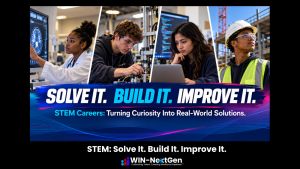
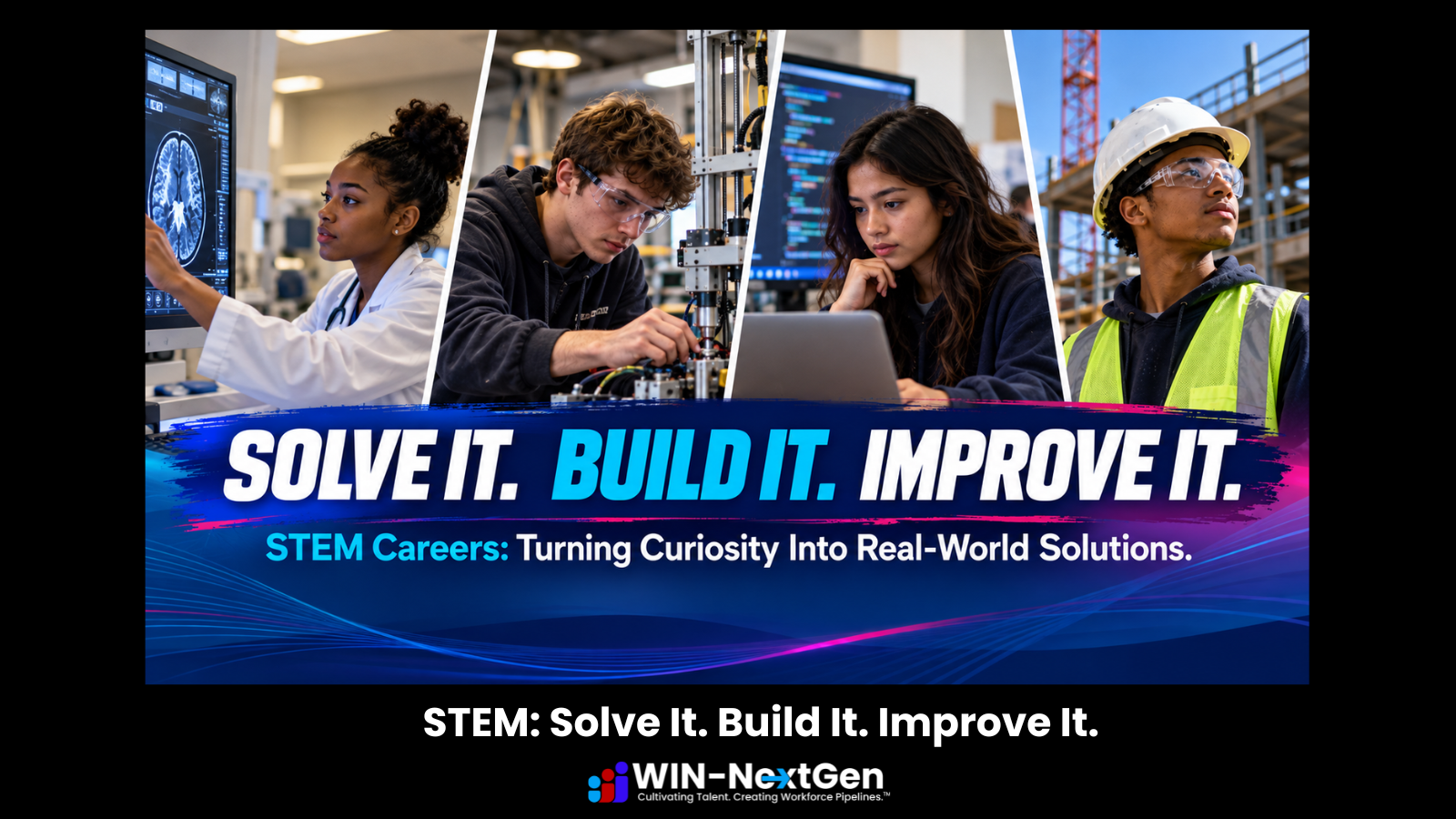
STEM is about using knowledge, creativity, and technology to solve real-world problems.
But here’s something else you should know:
STEM education helps build the foundation and skills for careers across the entire 3S Workforce™.
Whether you’re exploring healthcare, logistics, manufacturing, construction, or technology, STEM knowledge and problem-solving skills help people understand how things work, make better decisions, and find solutions.
A Little About My Journey
I can tell you this from my own experience.
When I was in high school, I was placed in advanced math and science courses. Later, I attended the United States Military Academy at West Point, where every student was required to complete an engineering concentration, even if engineering wasn’t their major.
I graduated with a Bachelor of Science degree, majoring in French with a concentration in systems engineering.
Now, you might wonder, what does systems engineering have to do with a French major?
More than you might think!
The critical thinking and problem-solving skills I developed through that engineering education have served me throughout my career, from military service to law, business, supply chain, and workforce innovation. And I continue to use them today.
The lesson? You may not know exactly where your career will take you, but the skills you build today can open doors you haven’t even imagined yet.
STEM at Work
Think about the problems people use STEM to solve every day:
- Healthcare: Detecting diseases earlier using medical imaging technology.
- Transportation: Designing safer cars, trains, and airplanes.
- Manufacturing: Using robotics and automation to improve production.
- Technology: Applying AI to solve problems and improve everyday life.
Behind each example are people using STEM knowledge and skills to discover answers, develop solutions, and make things better.
And remember, you don’t have to be a math genius or computer expert to begin exploring STEM. Curiosity is a great place to start!
This Week’s Challenge
Discover ONE STEM career you’ve never seriously considered before.
Ask yourself:
- What problem does this person help solve?
- What skills or technology do they use?
- What education or training might I need?
- Could I see myself exploring this career further?
Key Takeaway
STEM isn’t just about preparing for a career. It’s about building knowledge and skills that can help you solve problems, explore opportunities, and succeed wherever your path takes you.
Here’s to discovering new possibilities all around you. Let’s go!
Warmly,
Elisa
Founder & CEO
WIN-NextGen™
